
IV Therapy Drips Covered By Insurance!
We Offer Advanced IV Therapy Drips That Is Covered By Insurance!
2,000+ Patients Served Each Year
Helping Patients Boost Energy, Hydration, Recovery & Overall Wellness
Customized IV Drips Designed To Support Your Health Goals

Schedule a Consultation Covered Under Insurance!
Custom Dental Implants For Only $14,999 per Arch! or $349/mo
No bulky, fake-looking teeth. Just a beautiful natural smile, designed with you—not just for you.
2,500+ Implants Placed | 25 Years of Expertise
Patients Travel From All Over To See Us!
Take Our Quiz Below To See If You Qualify

Health Improvements
Dehydration and electrolyte imbalance
Fatigue and low energy
Nutritional deficiencies
Immune system support
Recovery from illness or infection
Chronic inflammation
Headaches or migraines
Medication intolerance or malabsorption

A Medical, Insurance-Based Approach to IV Therapy
Our IV therapy services are fundamentally different from elective wellness IVs.

Medical evaluation before treatment
Evidence-based nutrient selection
Appropriate clinical documentation
Coordination with other medical care
Insurance and Medicare reimbursement, when criteria are met
Meet our Doctor
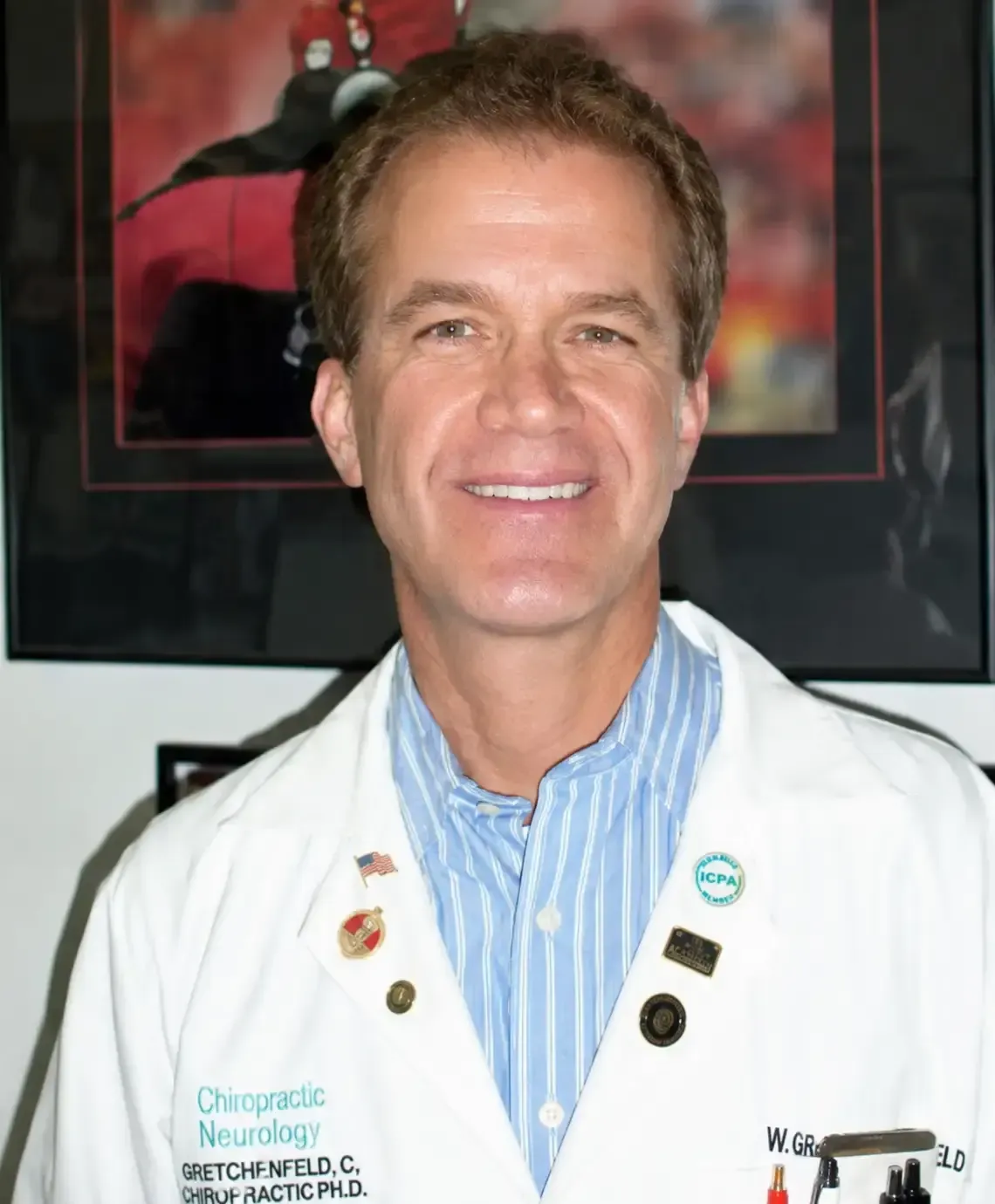
William Weeks, M.D.
Clinic Director
I would like to take this opportunity to tell you about myself, my philosophy of medicine and my professional credentials. I have wanted to be a doctor since childhood. I remember growing up enjoying math and science classes and watching my father have a satisfying career in medicine and helping people. My desire grew stronger as I grew older and I now find myself privileged and fulfilled in my mission in life.
My desire is to be an advisor and partner in your healthcare and to provide high quality, caring, listening healthcare for you and your family. I have been in practice since 1984 in the same locations that were started by my father in 1959.
I have enjoyed my activity in the Gretna community as a member and past board member of the Gretna Optimists and Gretna Chamber of Commerce. We sponsor youth sports teams and support other philanthropic causes in the community.
I promise to remain up-to-date in the latest medical advances through continuing medical education. I promise to take our relationship personally, professionally and seriously. I consider it an honor to be your physician.
Our goal is not trend-based wellness, but clinically appropriate care that supports patient outcomes.
Each IV therapy plan is individualized based on symptoms, labs, medical history, and provider evaluation.

Why IV Therapy May Be Recommended
Faster nutrient delivery
Higher bioavailability than oral supplements
Support during acute illness or recovery
Improved hydration and electrolyte balance
A medically supervised alternative to repeated oral dosing

What to Expect During Your IV Therapy Visit
Medical review of symptoms and history
Determination of medical necessity
Selection of an appropriate IV formulation
Administration by trained clinical staff
Monitoring during and after infusion

Insurance Coverage & Medicare
Our team will:
Verify coverage and benefits
Explain which services may be billable to insurance
Review any out-of-pocket costs
Coordinate IV therapy with your overall care plan

Why Choose Arthritis Pain & Wellness Clinic of Omaha?
Physician-directed medical IV therapy
Clinical oversight and safety standards
Insurance-friendly treatment models
Integration with pain management and wellness care
Convenient access for Omaha and surrounding areas
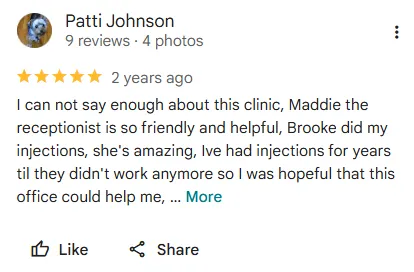
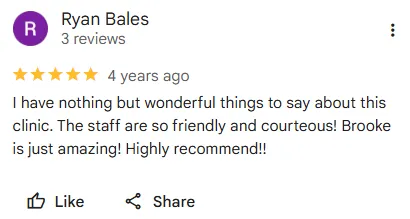
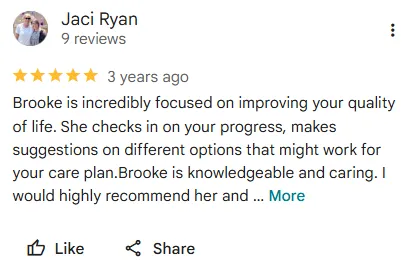
What Our Customers Say



Arthritis Knee Pain Clinic of Omaha
3908 N 138th St, Omaha, NE 68164
(402) 315-4415